
Recipe plugins have become a standard tool for food bloggers. They format recipes into neat cards, add schema markup, and make publishing easier. They are an important part of many food blogging workflows—and they are not going anywhere. But here’s the reality: plugins are just the starting point. On their own, they don’t deliver the complete structure needed for discoverability, platform compatibility, and long-term scalability.
What are recipe plugins and why do food bloggers use them?
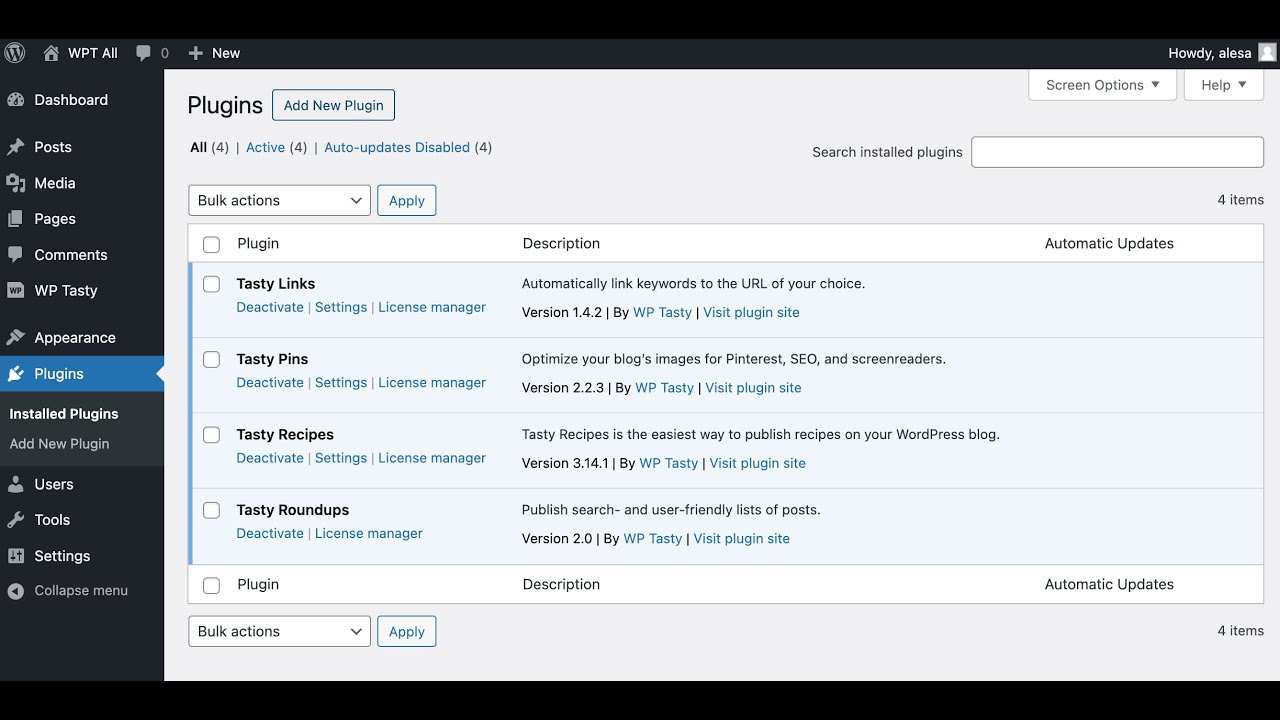
Recipe plugins were created to solve a pain point: WordPress was never designed for recipes. A plain-text recipe is hard to format, lacks metadata, and isn’t optimized for search engines. Plugins like WP Tasty, WP Recipe Maker, and Zip Recipes emerged to fix that. They added recipe cards, schema markup, and SEO features—no coding required.
For years, plugins seemed like the full solution. They made blogs easier to manage and offered “SEO-friendly” outputs. But search behavior has evolved. Platforms like Pinterest, TikTok, and AI-driven search engines need more than markup—they need structured data models that show relationships, context, and meaning.
Why recipe plugins aren’t enough for long-term SEO and scalability
Plugins are great for formatting, but SEO and scalability depend on structure. Search engines and platforms interpret recipes as data, not pages. A plugin’s built-in schema gives you the minimum, but not the model required to grow across channels.
For example, plugins may generate valid @type: Recipe schema, but they often skip key metadata—cuisine, dietary info, or ingredient relationships. Without that data, Google can’t surface your recipe in all relevant contexts, and future technologies like generative search will have less to learn from your site.
To stay visible, creators need to think like content engineers—designing data systems, not just writing posts.
Plugins publish recipes. Structured content prepares them for every platform that exists—or will exist.
From plugin-based data to structured content models
Recipe plugins rely on fixed templates. Structured content uses flexible models. That difference determines how far your recipes can travel.
- Plugins store information in a single post format, where data lives and dies inside WordPress.
- Structured models store data in consistent fields—ingredients, instructions, tags, equipment—ready to be reused anywhere.
With structured models, you can easily connect to other systems: mobile apps, grocery integrations, or new search experiences powered by Generative Engine Optimization (GEO). Plugins can’t do that alone.
How metadata and taxonomies elevate discoverability
Metadata gives your recipe meaning beyond the title. Taxonomies organize that meaning. Together, they help platforms understand what a recipe is and where it belongs.
For example:
- Metadata includes cook time, diet type, or region.
- Taxonomies group recipes by cuisine, course, or skill level.
When structured consistently, these fields allow Google and Pinterest to link your recipes to user intent (“easy weeknight dinners,” “Caribbean vegetarian recipes,” “gluten-free desserts”). Inconsistent or missing metadata means your recipes vanish from those results.
Learn more in Metadata 101: Essential Recipe Data You’re Probably Overlooking.
Introducing the COSE™ framework
At Blueberri, we use the COSE™ framework—Create Once, Share Everywhere—to help food creators future-proof their content. COSE turns the “plugin mindset” into a scalable, structured strategy built on four pillars:
- Create with Structure: This is where plugins and metadata intersect. Plugins make recipe cards easy to publish, but creating with structure means defining your data before it ever enters the plugin. Think beyond formatting—map out fields for ingredients, equipment, prep time, and nutrition in a consistent schema. When you create with structure, your metadata is clean and predictable, allowing plugins to pull from well-formed data rather than messy text. This makes your recipes easier to scale, migrate, and validate as platforms evolve.
- Organize for Repurposing: Store data consistently so it can be reused for videos, social media, or partner platforms without reformatting.
- Share with Intention: Publish strategically using schema that matches each platform’s needs—from Google to TikTok to Instacart.
- Expand for Reach & Revenue: Connect your structured data to new opportunities—affiliate integrations, partnerships, and emerging food tech platforms.
Recipe plugins help with the presentation layer. COSE helps you build the system underneath it. Together, they create content that’s ready to grow—not just rank.
Content engineering for recipe creators
Thinking like a content engineer means approaching recipes as data, not documents. Each ingredient, step, and tag should have a defined place in your model. This makes your content portable, reusable, and ready for automation.
It’s not about abandoning your plugin. It’s about building a stronger foundation around it. Start by auditing what your plugin captures—and what it misses. Then, design a schema and taxonomy system that fills those gaps.
This mindset shift—from formatting to modeling—is what separates sustainable food platforms from sites that constantly rebuild their SEO strategy every algorithm update.
Own your strategy
Plugins are valuable—they make publishing faster and cleaner. But they can’t be your entire strategy. A plugin manages your blog; structure manages your business. By adopting a content engineering mindset and applying the COSE™ framework, you transform your recipes from formatted text into interoperable assets ready for any search engine, app, or device.
Don’t ditch your plugin. Just don’t stop at your plugin.
